


The Role of Materials, Automation, and Operator Experience in Chocolate Tempering
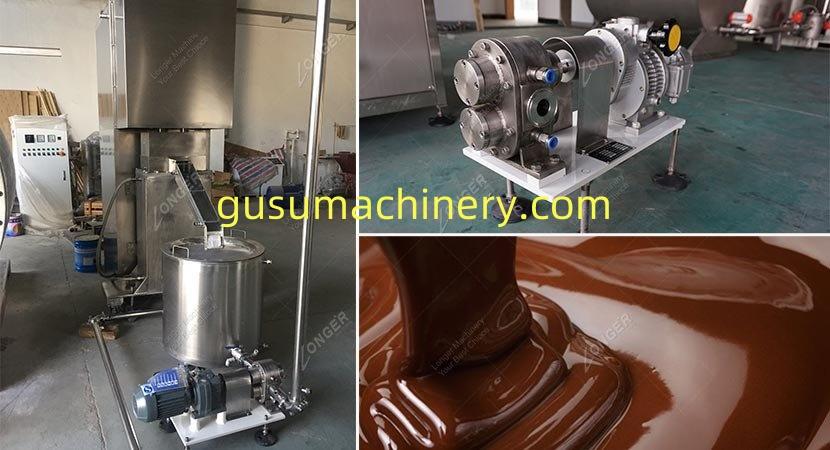
The smooth snap, attractive shine, and clean release of finished chocolate depend on more than a good recipe, which is why selecting a Chocolate Tempering Machine Manufacturer deserves careful consideration during production planning. Tempering encourages cocoa butter to form a stable crystal structure, helping chocolate set with a desirable appearance and texture. For confectionery businesses, the right equipment should support this transformation while fitting the characteristics of the chocolate, the products being made, and the working habits of the production team.
Materials are an important starting point when evaluating chocolate processing equipment. Chocolate contains cocoa butter and other ingredients that can leave residues on surfaces, especially during extended production or product changes. Food-contact components should be suitable for confectionery use, easy to inspect, and practical to clean. Smooth, carefully finished surfaces can help limit residue buildup, while durable structural materials support routine operation and maintenance. Buyers should also consider how the equipment's materials respond to repeated cleaning and the working environment. Material selection should be assessed as part of the complete hygiene and maintenance plan rather than as an isolated purchasing detail.
Understanding the chocolate itself helps narrow the available options. Dark, milk, and white chocolate have different ingredient compositions, and recipes containing inclusions or alternative fats may behave differently during processing. A suitable tempering solution should match the products a business intends to manufacture rather than relying on a general description of machine capability. Buyers should explain their current recipes, desired finished appearance, intended applications, and possible product-development plans. These details can help equipment specialists discuss process compatibility and identify whether additional handling or finishing equipment may be needed alongside tempering.
Temperature management is central to the tempering process, but effective control involves more than heating or cooling chocolate. The process must encourage desirable cocoa butter crystals while avoiding conditions that produce an unstable structure. Equipment design can influence how chocolate moves through different stages of the process and how evenly it experiences the intended treatment. Mixing and circulation also matter because chocolate needs to remain sufficiently uniform as it is processed. Buyers should therefore explore how the system manages product movement, temperature changes, and the transition from tempering to the next manufacturing stage.
Modern control functions can make the process easier to manage when they provide useful information and clear operating guidance. Readable controls help operators understand the current process state, while appropriate monitoring can make it easier to identify changes that may affect chocolate quality. However, automation should serve the production team's actual needs. A complicated interface does not automatically improve results, especially when employees must frequently change recipes or respond to different production conditions. When comparing equipment, manufacturers should consider whether controls are understandable, whether operating procedures are practical, and whether the system supports repeatable working methods.
The quality of tempered chocolate becomes visible in the finished product. Properly tempered chocolate generally develops an attractive shine, a clean break, and a firm texture when it sets under suitable conditions. Poorly controlled crystallization can contribute to dull surfaces, unwanted softness, or irregular setting. These outcomes may also be influenced by ingredients, storage, mould conditions, and the handling environment, so tempering equipment should be evaluated within the broader process. Buyers can benefit from discussing how the machine will integrate with moulding, enrobing, cooling, or other finishing operations rather than judging it solely by its individual performance.
Operator experience is another essential consideration. Chocolate production involves recurring tasks such as preparing the system, loading ingredients, monitoring flow, removing residues, and carrying out routine inspections. Convenient access to relevant components can make these tasks more manageable, while clear maintenance instructions help teams follow consistent procedures. If a business frequently switches between chocolate varieties, the practical demands of cleaning and changeover deserve particular attention. Before purchasing, it is worth asking how operators will perform ordinary tasks, what training is available, and how technical support can be accessed when production issues arise.
The machine's physical design also influences how it fits into a confectionery workspace. A clear layout can make product flow easier to follow and help operators understand the relationship between controls, working surfaces, and service areas. Well-arranged components may simplify inspection and reduce unnecessary movement during daily tasks. A professional industrial finish can also support a clean, organized production environment, especially in facilities where customers or business partners visit. Nevertheless, appearance should complement functional priorities: hygienic construction, accessible maintenance, appropriate guarding, and a practical workflow remain more important than decorative styling.
For manufacturers planning to refine their chocolate production process, Gusu Food Processing Machinery Suzhou Co., Ltd. offers a company resource for exploring confectionery machinery and related processing solutions. Buyers can prepare for a more productive equipment discussion by outlining their chocolate types, product goals, cleaning practices, workflow needs, and expectations for future development. Reviewing available machinery information alongside these requirements can help businesses assess potential solutions with greater clarity. Learn more about the company and its equipment at https://www.gusumachinery.com/.
