


Are Wrapping Films Suitable for Your Packaging Requirements?
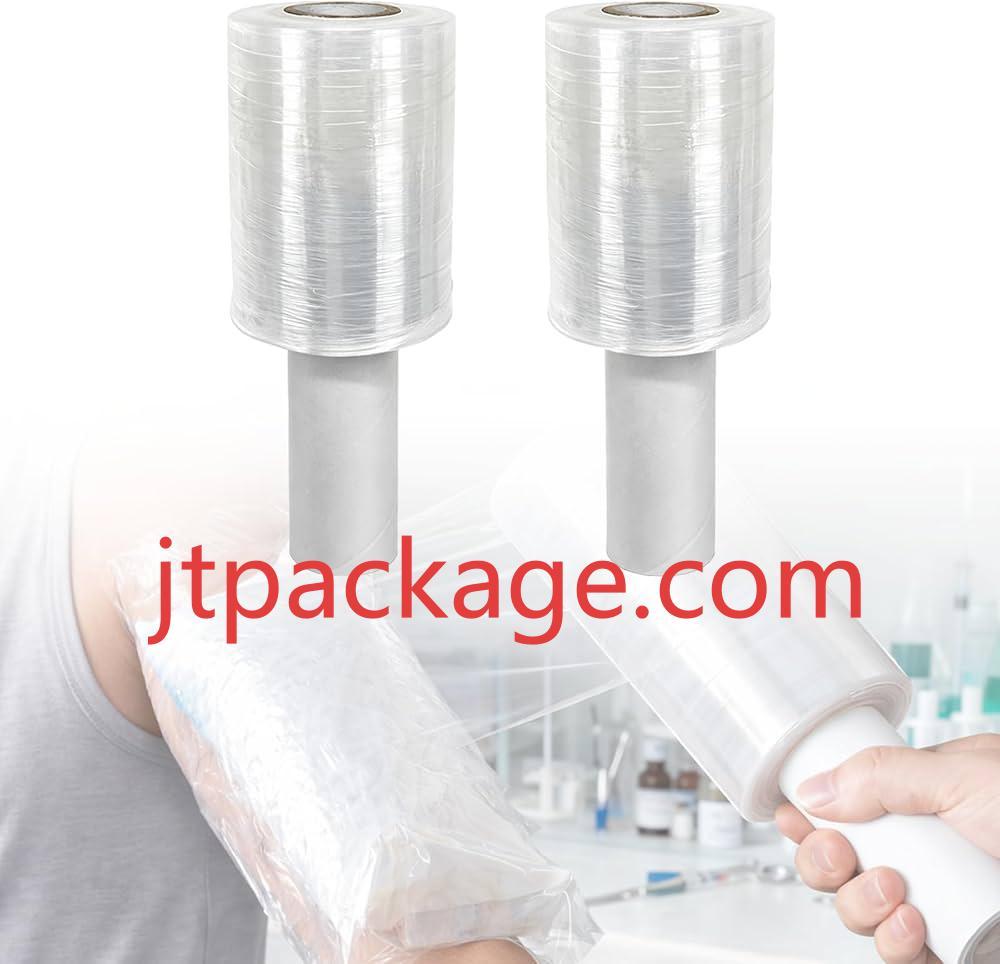
Packaging decisions influence how products are presented, handled, stored, and prepared for delivery. For businesses seeking adaptable packaging materials, Wrapping Films from jtpackage offer a starting point for evaluating different wrapping methods and product requirements. Selecting suitable film involves considering the nature of the items being packaged, the desired appearance, the handling environment, and the equipment used throughout the packaging process.
Every product brings its own packaging challenges. Items with smooth surfaces may require a different wrapping approach from products with irregular contours, delicate components, or multiple pieces grouped together. Businesses should begin by identifying the dimensions, shape, and handling requirements of their products. This information can help narrow the available material options and provide a clearer basis for discussing specifications with a supplier.
Appearance is another important part of packaging design. A transparent film may allow product labels, colors, and printed details to remain visible, while other packaging arrangements may focus on creating a more enclosed presentation. The selected material should complement the product's appearance and suit the way it will be displayed. Considering these details early can help businesses maintain a consistent visual identity across their product range.
Material characteristics also deserve careful attention. Flexibility, thickness, clarity, surface texture, and sealing behavior can vary between film types. These differences may influence how the material handles during packaging and how the finished package looks. Reviewing technical descriptions and confirming the intended application can help buyers determine whether a particular film matches their operational requirements.
Equipment compatibility is equally relevant. Packaging lines may involve feeding systems, cutting mechanisms, sealing components, and heat application, depending on the wrapping method. The material must be suitable for the machinery and processing conditions involved. Buyers should confirm roll dimensions, recommended operating conditions, and sealing requirements before introducing a new film into their workflow. Where appropriate, practical trials can help evaluate the material under actual working conditions.
Packaging needs may also change according to the industry and distribution channel. Manufacturers preparing goods for retail display may prioritize product visibility, while businesses shipping items between facilities may focus on package arrangement and handling requirements. Companies packaging several product categories should assess each application individually rather than assume that one film type will suit every task.
Storage and handling procedures form another part of a considered purchasing decision. Packaging materials should be stored according to the supplier's instructions, with attention to environmental conditions and the prevention of unnecessary damage. Clear internal procedures can help staff handle rolls appropriately and keep materials organized for production. These everyday practices contribute to a more orderly packaging operation.
For purchasing teams, communication with suppliers can make product selection more straightforward. It is useful to clarify available material types, roll formats, technical documentation, packaging arrangements, and order requirements. Businesses with specific applications should explain their product characteristics and equipment conditions when requesting recommendations. Confirming these details before ordering helps establish expectations and supports a more informed comparison of available options.
Sustainability considerations may also influence the selection process. Businesses can review the material composition provided by the supplier and check local guidance regarding collection, recycling, or disposal. Available arrangements differ by material and location, so evaluating the relevant information is important when considering the environmental aspects of a packaging choice.
A suitable wrapping material should reflect the practical needs of the product, the packaging process, and the intended destination. By reviewing these factors together, businesses can approach material selection with greater clarity and develop packaging procedures that align with their daily operations.
Give your next packaging project a new direction by visiting https://www.jtpackage.com/product/ . Take a closer look at the available material options, review their specifications, and consider how they could fit your product requirements. A few thoughtful comparisons today can help you plan a packaging approach that feels right for your next stage of business.
