


Does Cbbmachine Differential Air Shaft Support Independent Roll Tension?
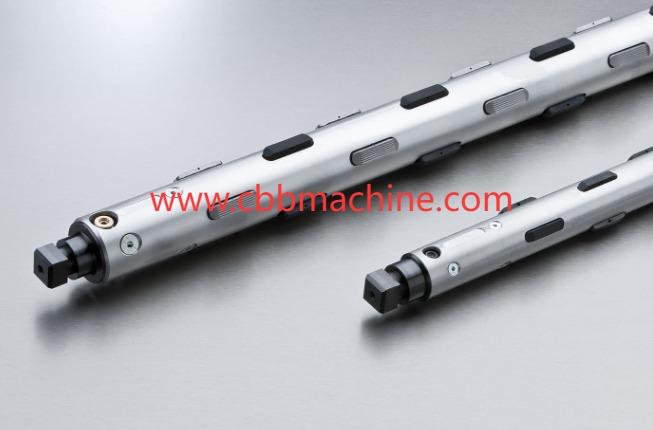
When converting equipment must handle multiple rolls with different winding requirements, a Differential Air Shaft from Cbbmachine offers a practical combination of pneumatic core gripping and adjustable torque transmission. This design supports secure roll mounting while allowing individual winding positions to respond to variations in material resistance. For manufacturers working with flexible webs, it provides a useful approach to balancing convenient roll changes with controlled winding performance.
In slitting and rewinding operations, several narrow strips often need to be wound simultaneously from a wider parent material. Although these strips pass through the same machine, they may not behave identically. Differences in thickness, elasticity, surface friction, and roll buildup can create unequal tension across winding positions. Equipment that accommodates these variations helps operators manage the process without forcing every roll to follow precisely the same winding behavior.
The pneumatic mechanism simplifies the installation and removal of roll cores. When compressed air activates the expansion elements, the shaft grips the inner surface of the core to establish a secure connection. Releasing the air allows the gripping elements to retract, making roll removal and changeover more convenient. This arrangement can reduce manual adjustment during routine production and support a more organized working process.
The differential mechanism addresses another important requirement: variations in torque between individual winding positions. Depending on the design, friction-based elements allow each position to respond to its own resistance rather than relying entirely on a rigid shared connection. This flexibility can help reduce differences in roll tightness and support more consistent winding across multiple lanes.
Material compatibility remains an essential consideration. Flexible packaging film, paper, laminates, labels, and other web products each have distinct handling characteristics. A material that stretches easily may require a different winding approach from a comparatively rigid substrate. Selecting a suitable shaft configuration requires consideration of core dimensions, material properties, required torque, and the operating conditions of the converting line.
Correct installation also influences performance. The shaft must fit the machine's mounting arrangement and work in coordination with bearings, drive components, tension controls, and other winding equipment. Proper alignment helps prevent unnecessary mechanical stress, while suitable pressure and torque settings support the intended gripping and winding behavior. Operators should follow the manufacturer's technical guidance when configuring these parameters.
Another practical advantage is the potential to simplify routine production adjustments. Pneumatic gripping supports convenient core changes, while the differential mechanism accommodates differences between winding positions. Together, these functions can help manufacturers manage changing production orders without redesigning the entire winding arrangement for every material. The actual benefits depend on the shaft configuration and how well it matches the application.
Maintenance should focus on both the pneumatic and mechanical assemblies. Air connections, seals, expansion elements, friction components, and mounting surfaces should be inspected according to the recommended service procedure. Keeping the equipment clean and addressing signs of wear promptly helps maintain dependable operation. Operators should also monitor finished rolls for uneven edges, wrinkles, or inconsistent tightness, as these symptoms may indicate that adjustments are needed elsewhere in the process.
For machinery designers and production managers, selecting roll-handling equipment involves balancing convenience, material protection, and operating requirements. A carefully matched system can support easier changeovers while giving each winding position the flexibility required by its specific load. Evaluating the complete application before choosing a configuration helps establish realistic expectations and supports smoother integration into existing machinery.
Give every roll a more considered place in your production process. Visit https://www.cbbmachine.com/product/ to view available shaft solutions and see which designs may suit your winding requirements. Take your current handling challenges as a starting point, browse the engineering possibilities, and open the door to a more adaptable approach to converting operations.
