


Deep Dive into the Position Proximity Sensor Market Segment Specifics and the Customization of Industrial Solutions
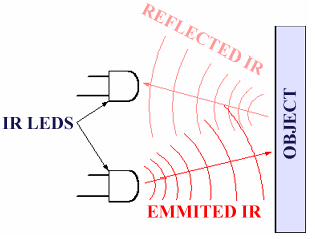
The classification of technology is rarely a "one-size-fits-all" endeavor, and this is especially true in the world of industrial components. The Position Proximity Sensor Market Segment breakdown reveals how specific technologies are tailored to solve very different problems. For instance, the distinction between "short-range" and "long-range" sensors is critical. Short-range inductive sensors might be used for the precise positioning of a tool head in a CNC machine, where every micron counts. Conversely, long-range photoelectric sensors are used in large-scale logistics to detect the presence of pallets on a conveyor from several feet away. Understanding these segments allows engineers to choose the most cost-effective and reliable solution for their specific application. Furthermore, the market is segmented by the "output type," such as NPN or PNP, which determines how the sensor communicates with the controller. This technical nuance is vital for system integrators who must ensure that all components in a system are electrically compatible.
Another important way to segment the market is by the "housing material." Sensors in the food and beverage industry often require stainless steel housings that can withstand "washdown" procedures with high-pressure hot water and harsh detergents. In contrast, sensors used in laboratory equipment might use lightweight plastic housings. The growth of the "Hazardous Area" segment is also notable, where sensors must be "intrinsically safe" to prevent sparks in environments with flammable gases or dust. This level of specialization has led to a market where "boutique" manufacturers can thrive by providing highly certified products for very specific, high-risk applications. As the complexity of industrial processes increases, we expect to see even more granular segmentation, with sensors designed for specific tasks like "thin-wafer detection" in semiconductor manufacturing or "non-ferrous metal sorting" in recycling plants. This trend toward customization is driving innovation and ensuring that there is a proximity sensor for almost every conceivable industrial challenge.
Frequently Asked Questions
-
What does "NPN" and "PNP" mean? These refer to the type of transistor used in the sensor's output circuit, determining whether the sensor "switches" the positive or negative side of the load.
-
Why would I choose a capacitive sensor over an inductive one? Choose capacitive if you need to detect non-metallic objects like wood, plastic, or liquids; choose inductive for high-reliability metal detection.
➤➤➤Explore MRFR’s Related Ongoing Coverage In Semiconductor Industry:
Data Center Accelerator Market
Data Center Rack Enclosure Market
Compulsory Third Party Insurance Market
