


Analyzing the Powerful and Converging Drivers of Global GCC Remittance Market Growth
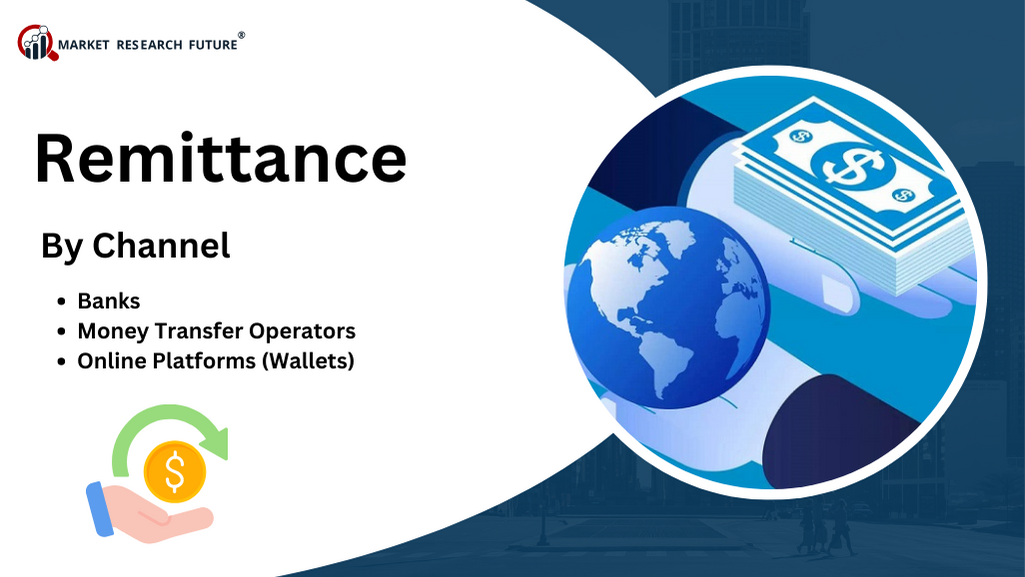
The market for remittances originating from the Gulf Cooperation Council region is not just large; it is a dynamic and consistently growing sector, propelled by a unique set of demographic, economic, and technological forces. A comprehensive analysis of the factors driving the GCC Remittance Market Growth reveals a market sustained by the fundamental economic structure of the GCC nations themselves. The primary and most enduring driver is the region's heavy reliance on a massive expatriate workforce to power its ambitious economic diversification and infrastructure development projects. Ambitious national strategies, such as Saudi Arabia's Vision 2030 and the preparations for major global events like the World Expo and the FIFA World Cup, have fueled a continuous demand for labor in construction, hospitality, retail, and services. This ensures a large and relatively stable population of foreign workers who have a consistent and pressing need to send a portion of their earnings back to their families. As long as the GCC economies continue to invest in large-scale development, this foundational demographic driver will ensure a high-volume flow of remittances, underpinning the market's sustained growth.
A second major catalyst for market growth, particularly in terms of value and digital adoption, is the increasing financial sophistication of both the senders and the service providers. While the market has traditionally been associated with blue-collar workers, there is a large and growing population of white-collar, professional expatriates in the GCC who remit larger sums of money and demand more sophisticated digital services. This has driven a "flight to quality" and convenience, pushing providers to innovate. Furthermore, the aggressive push towards digitalization by GCC governments has been a massive accelerant. Initiatives to promote cashless economies, coupled with high smartphone penetration and affordable mobile data, have created a fertile ground for the adoption of digital remittance platforms. The COVID-19 pandemic acted as a hyper-accelerant for this trend, as lockdowns and social distancing measures forced millions of users who previously relied on physical branches to switch to mobile apps and online portals. This forced adoption has created a permanent shift in consumer behavior, with many users now preferring the convenience and speed of digital channels, which in turn drives growth for the digital segment of the market.
The intense competition within the industry itself has paradoxically become a major driver of overall market health and formalization, which contributes to measured growth. The proliferation of digital-first FinTech players and the aggressive digital push by established exchange houses has led to a fierce price war. This has resulted in a significant reduction in transaction fees and a narrowing of the margins on foreign exchange rates, making it more attractive for expatriates to use formal, legal channels for sending money rather than informal or unregulated "hawala" systems. As the cost of formal remittance has come down, the volume of transactions flowing through the formal sector has increased, contributing to the market's official growth figures. This competition has also spurred innovation in service quality, with providers now competing on factors like transfer speed (offering near-instant payments), user experience, and customer support, all of which make the formal remittance process more appealing to a wider audience and draws more volume into the measurable market.
Finally, the market's growth is being fueled by the expansion of services beyond simple peer-to-peer money transfers. Remittance providers are increasingly leveraging their platforms and trusted brand names to offer a range of value-added services, creating new revenue streams and deepening customer relationships. This includes enabling customers to pay utility bills, school fees, or loan installments directly in their home countries through the remittance app. It also includes services like mobile phone top-ups for family members abroad and partnerships to offer related financial products like micro-insurance or savings accounts. By transforming their platforms from a single-purpose transaction tool into a multi-purpose financial services hub for expatriates, these companies are increasing their "share of wallet" and creating a more "sticky" customer relationship. This diversification of services not only contributes directly to revenue growth but also enhances the core value proposition, attracting and retaining more customers for the primary remittance service.
Explore More Like This in Our Regional Reports:
