


Can Same Filler Wire Work for Both Welding Processes?
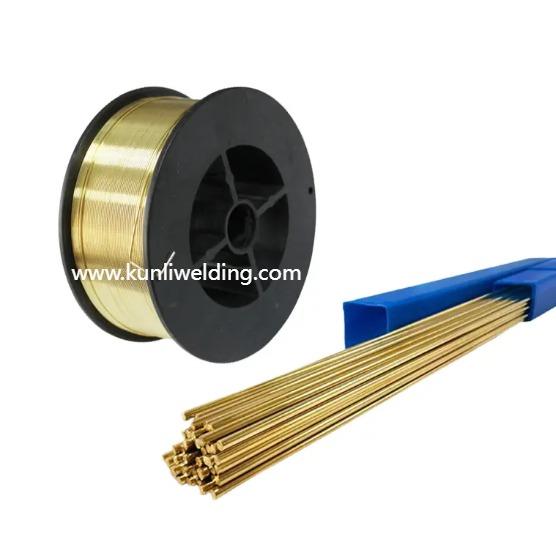
Filler materials designed for joining lightweight metals serve distinct purposes depending on the welding technique employed and the specific application requirements. Aluminum Welding Wire represents a category of consumables engineered to bond aluminum components through various arc welding methods, each utilizing the material differently based on process characteristics. Industry professionals, including Aluminum Welding Wire Manufacturers , produce these filler materials in formats suited to different welding techniques and equipment configurations. Grasping how these consumables function within MIG and TIG processes helps fabricators select appropriate materials and understand the fundamental mechanisms that create strong, reliable joints in aluminum fabrication work.
Filler wire serves as the material that fills gaps between components being joined, eventually solidifying to create a metallurgical bond. During welding, intense heat melts both the filler material and portions of the base metal, creating a molten pool where materials mix before cooling into solid weld metal. The chemical composition of filler wire influences the properties of this solidified zone, affecting strength, ductility, corrosion resistance, and other characteristics critical to joint performance. Different aluminum alloy compositions address varied application needs, from marine environments requiring corrosion resistance to structural components demanding high strength.
MIG welding, also called gas metal arc welding, employs continuous wire feeding through a welding gun while electrical current creates an arc between the wire and base material. The wire serves dual purposes in this process, functioning simultaneously as the electrode conducting current and as filler material adding to the weld. Mechanical drive systems push wire through cable assemblies at controlled rates, with the wire emerging from a contact tip that delivers welding current. As wire contacts the molten pool, it melts and transfers into the joint, with shielding gas protecting the molten metal from atmospheric contamination. The continuous feeding nature of MIG welding enables sustained arc operation, making the process suitable for longer seam welds and production applications where speed matters.
Wire feeding mechanisms in MIG systems require careful setup to accommodate aluminum's unique physical properties. The metal's softness compared to steel means wire can easily deform under excessive drive roll pressure, yet requires sufficient grip to push through cable assemblies without slipping. Drive systems utilize specially designed rolls with appropriate groove profiles that grip wire firmly without causing damage. Liner materials inside cable assemblies provide low friction surfaces allowing smooth wire movement from spool to contact tip. These system components work together ensuring reliable wire delivery at consistent rates throughout welding operations.
TIG welding, or gas tungsten arc welding, takes a different approach where the electrode and filler material remain separate. A non-consumable tungsten electrode creates the welding arc, generating heat that melts base metal and any filler material manually added to the weld pool. In TIG processes, filler comes as straight cut rods that welders hold in one hand while manipulating the torch with the other. The welder dips the rod into the molten pool as needed, controlling filler addition rate and placement independently from heat input. This separation of heat control and filler addition provides enhanced precision, particularly valuable for thin materials, complex joint geometries, or applications demanding exceptional weld quality.
The manual feeding technique in TIG welding requires different filler formats and handling compared to MIG wire. Straight rods measuring approximately three feet long allow comfortable handling during welding sessions. Rod surfaces receive thorough cleaning to prevent contamination transfer when welders dip them into molten pools. Unlike MIG wire that passes through mechanical feeding systems, TIG rods never contact drive mechanisms or liners, eliminating concerns about surface damage from feeding equipment. However, the manual nature of TIG filler addition limits deposition rates compared to continuous wire feeding in MIG processes.
Metallurgical principles govern how filler materials interact with base metals during welding regardless of process selection. When molten filler mixes with melted base material, the combined chemistry determines final weld metal composition and properties. Selecting filler alloys compatible with base materials prevents issues like hot cracking, excessive brittleness, or galvanic corrosion. The thermal cycle imposed by welding affects material microstructure in both the weld zone and adjacent heat affected areas, with cooling rates influencing grain size, precipitate formation, and mechanical characteristics.
Arc characteristics differ between MIG and TIG processes in ways that affect how filler wire functions. MIG arcs tend to be shorter and more concentrated, with wire feeding directly into the arc zone. The consumable wire electrode creates a dynamic arc as material continuously melts and transfers. TIG arcs can be maintained at greater distances from the work piece, with the stable tungsten electrode producing a more consistent, controllable heat source. These arc behavior differences influence how welders manipulate torches and add filler material to achieve desired results.
Shielding gas selection impacts filler wire performance across both welding processes. Pure argon remains common for TIG applications, providing adequate shielding while maintaining stable arcs. MIG welding sometimes benefits from argon helium mixtures that increase arc heat and improve penetration characteristics. The inert atmosphere created by these gases prevents oxygen and nitrogen from contaminating molten aluminum, which readily absorbs atmospheric gases that cause porosity and other defects.
Process selection between MIG and TIG involves considering factors beyond just filler wire form. MIG generally offers higher productivity through continuous wire feeding and faster travel speeds, making it economical for production environments. TIG provides superior control and aesthetic quality, preferred for applications where appearance matters or when joining dissimilar thicknesses requires precise heat management. Some fabrication shops employ both processes, selecting appropriate techniques based on specific job requirements.
Understanding these fundamental operational principles helps welders optimize their techniques and troubleshoot problems when they arise. Building knowledge about how filler materials function within different welding processes supports skill development and process refinement. Additional technical resources and detailed specifications for various filler compositions remain available at https://kunliwelding.psce.pw/8p6qbl where comprehensive information aids fabricators in material selection and process optimization. Recognizing how aluminum filler wire operates within MIG and TIG systems enables informed decisions about equipment setup, parameter selection, and technique development across diverse welding applications requiring reliable joints in lightweight metal fabrication.
