


Could This Common Error Be Making Grooming Unpleasant?
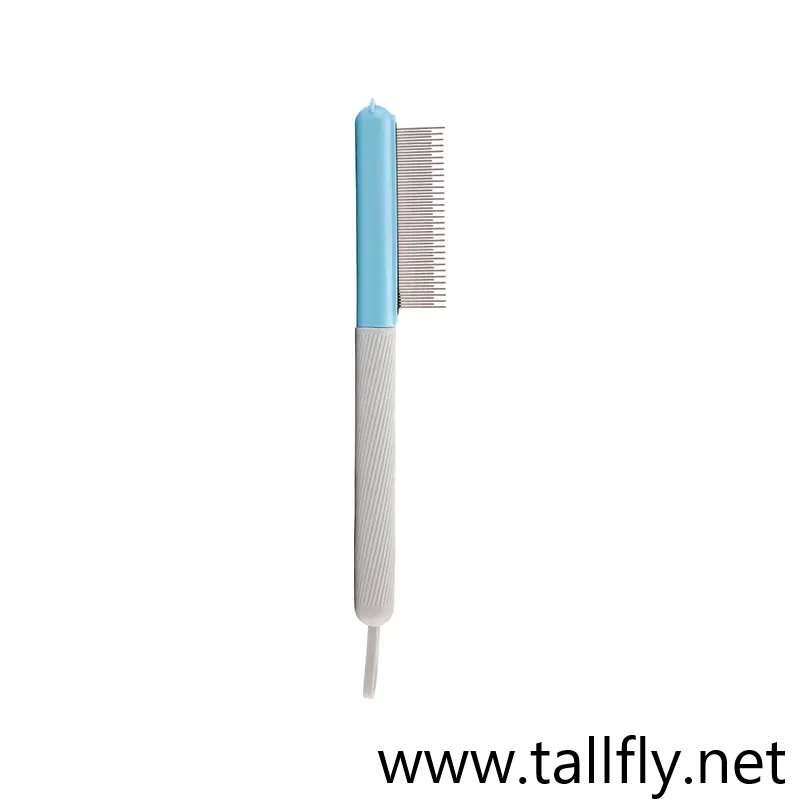
Grooming sessions should strengthen the bond between you and your companion while maintaining coat health, yet many owners unknowingly create discomfort through a common technique error. This mistake occurs so frequently that animals often tolerate the unpleasantness without obvious complaint, leaving owners unaware of the issue. Understanding proper brushing methods and consulting resources from a reputable Pet Brush Manufacturer helps prevent this widespread problem that affects countless pets during routine care.
The mistake involves brushing against the natural direction of hair growth. Many people assume that working backward through the coat removes more loose fur or penetrates deeper into thick layers. While this approach might seem logical, it actually causes significant discomfort by forcing hair follicles in directions they were never designed to bend. Each hair grows at a specific angle from the skin, and pushing against this natural pattern creates tension at the root, producing a pulling sensation similar to brushing human hair the wrong way.
This uncomfortable pulling extends beyond momentary unpleasantness. Repeated sessions of backward brushing can irritate hair follicles, potentially leading to inflammation or sensitivity that makes future grooming increasingly difficult. Animals begin associating the activity with discomfort, developing resistance or anxiety around grooming time. What should be a pleasant bonding experience transforms into a stressful ordeal that both pet and owner dread.
The natural lie of the coat exists for functional reasons. Hair grows in patterns that shed water, protect skin from environmental elements, and provide insulation. Brushing against these patterns disrupts the coat's organizational structure, leaving fur disheveled and unable to perform its protective functions effectively. The coat appears rougher and less lustrous because individual hairs no longer align properly to reflect light uniformly.
Identifying the correct brushing direction requires observation rather than assumption. Run your hand gently over your pet's body, noting which direction feels smooth and which creates resistance. The smooth direction indicates proper hair alignment and the path your Pet Brush should follow. This varies slightly across different body regions, with hair on the head, legs, and tail often growing at different angles than torso fur.
Some owners make this mistake while attempting to remove stubborn mats or tangles. When encountering resistance, the instinct might be to attack the problem from different angles, including backward approaches. However, mats require patient work in the direction of hair growth, gently teasing apart the tangle rather than forcing through it against the natural pattern. Working against growth direction actually tightens mats by pushing tangled hair into follicles rather than releasing it.
Puppies and kittens introduced to grooming through backward brushing may develop lasting aversions to the activity. These formative experiences shape their expectations and comfort levels around handling. Starting young animals with proper technique establishes positive associations that make lifelong grooming cooperation far easier to maintain.
Certain coat types show more obvious discomfort from backward brushing than others. Long, silky fur displays visible disruption immediately as hair stands up awkwardly rather than lying flat. Short, dense coats may hide the directional damage visually, but the animal still experiences the uncomfortable pulling at skin level.
Watch your pet's body language during grooming sessions. Ears pulled back, tense muscles, attempts to move away, or verbal complaints indicate discomfort. If these signs appear consistently, evaluate your brushing direction and pressure. Many behavioral issues around grooming stem from this single correctable mistake rather than inherent dislike of being handled.
Switching to proper directional brushing often produces immediate improvements in cooperation. Animals relax when grooming becomes genuinely comfortable, sometimes even initiating sessions by approaching when they see the Pet Brush appear.
Quality tools with appropriate bristle design minimize discomfort even further when combined with correct technique. Flexible bristles that bend slightly reduce pulling force while still effectively removing loose fur. To review grooming tools designed for comfortable, effective coat care when used with proper technique, visit https://www.tallfly.net/ for options that support pleasant grooming experiences.
