


A Deep Dive into the Most Critical and Emerging Business Intelligence Industry Trends
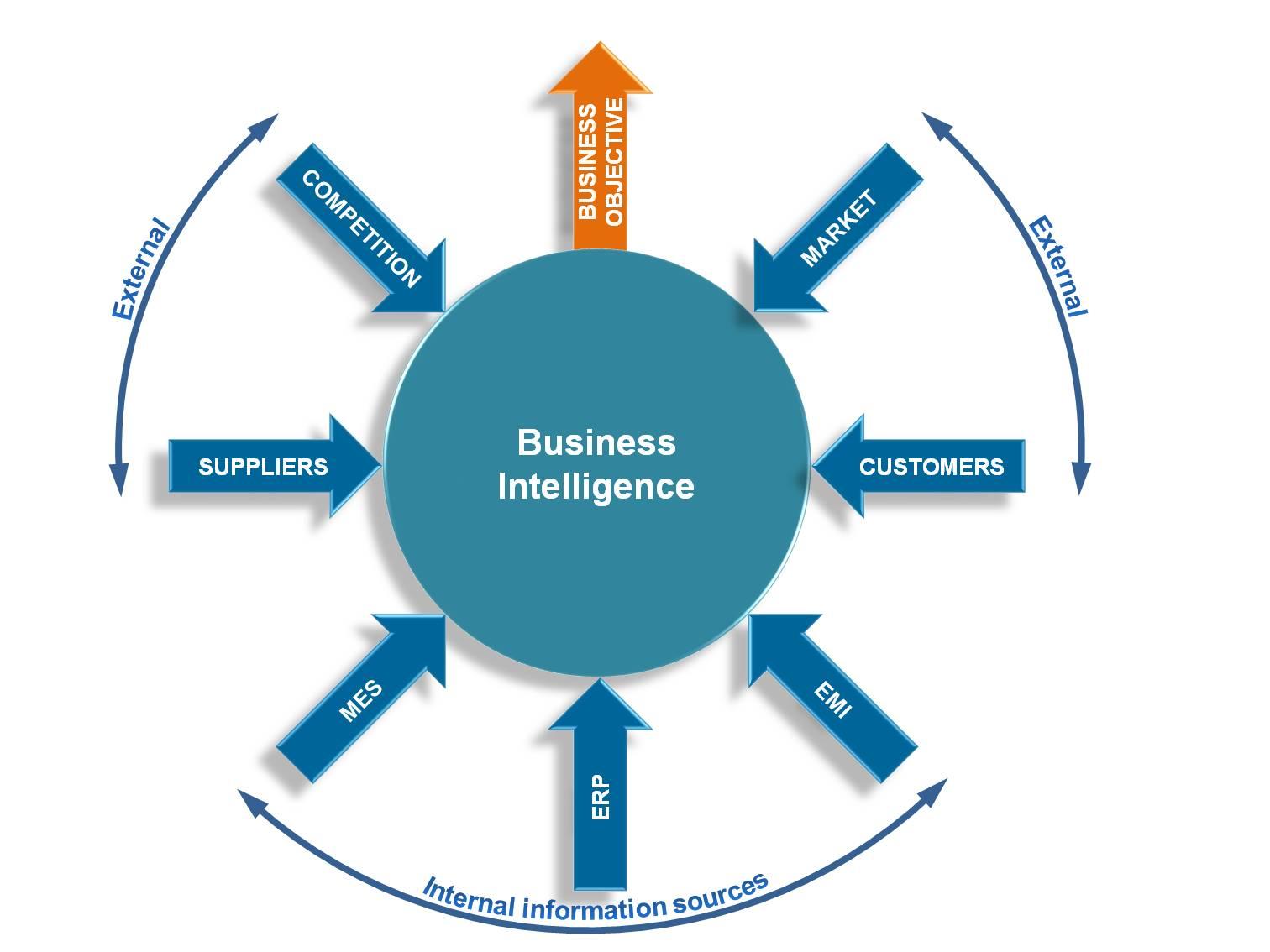
While user-facing innovations often capture the headlines, some of the most critical business intelligence industry trends are those reshaping the underlying architecture and governance of enterprise data. A paramount trend in this area is the rise of Embedded Analytics. Instead of requiring users to leave their primary applications and log into a separate BI tool, embedded analytics injects dashboards, visualizations, and analytical capabilities directly into the operational software they use every day. For example, a sales representative might see a real-time dashboard of their pipeline performance directly within their CRM system, or a supply chain manager might view inventory analytics within their ERP application. This trend makes data insights more contextual, timely, and actionable by delivering them at the point of decision. It seamlessly weaves analytics into the fabric of daily workflows, dramatically increasing user adoption and ensuring that decisions are consistently informed by data.
These foundational architectural shifts are crucial for supporting the market's expansion and enabling it to reach its full potential. The business intelligence market size is projected to grow USD 108.3 Billion by 2035, exhibiting a CAGR of 11.37% during the forecast period 2025-2035. Another significant architectural trend gaining traction is the concept of a Data Fabric. As organizations grapple with increasingly complex and distributed data landscapes—spanning multiple clouds, on-premise systems, and SaaS applications—the old model of physically centralizing all data into a single data warehouse becomes impractical. A data fabric is an architectural approach that provides a unified, virtualized layer of data management over this distributed environment. It uses AI-powered metadata analysis to discover, connect, and govern data regardless of its physical location, providing BI tools with seamless access to a holistic view of enterprise data without requiring costly and time-consuming data movement.
As the power and pervasiveness of BI tools grow, the trend toward more robust and integrated Data Governance is becoming a top priority for organizations. In the era of self-service analytics, empowering business users with access to data must be balanced with strong controls to ensure data quality, security, and compliance with regulations like GDPR. Modern BI platforms are responding by building sophisticated governance features directly into their products. These include centralized data dictionaries, data lineage tracking (which shows the origin and transformation of data), and role-based access controls that ensure users can only see the data they are authorized to view. This trend is about creating a "governed self-service" environment, which strikes the right balance between user empowerment and enterprise-grade control, fostering trust in the data and the insights derived from it.
Finally, the trend toward real-time, streaming analytics is fundamentally changing the cadence of business decision-making. Traditional BI focused on analyzing historical data in batches—looking at what happened last month, last week, or yesterday. In today's fast-paced digital world, this is often too slow. Streaming analytics platforms are designed to ingest and analyze data in motion, as it is being generated from sources like IoT sensors, website clickstreams, or financial market feeds. This enables organizations to monitor business operations in real-time, detect anomalies as they happen, and trigger immediate automated responses. From detecting fraudulent credit card transactions in milliseconds to optimizing online ad bids on the fly, real-time analytics is moving BI from a reflective, historical tool to a proactive, in-the-moment operational system, unlocking immense new value.
Explore More Like This in Our Regional Reports:
