


The Race for the High-Band: Analyzing 5G mmWave Technology Market Share
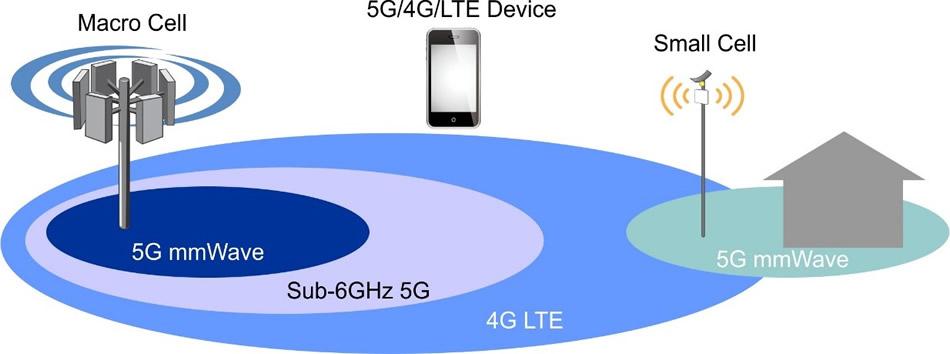
In the high-stakes, capital-intensive world of telecommunications, the battle for leadership in the next wave of technology is fierce. An analysis of the 5G Mm-Wave Technology Market Share reveals a competitive landscape where leadership is defined across three distinct but interconnected domains: network infrastructure, core chipset technology, and end-user devices. Unlike a monolithic software market, market share in mmWave is a complex interplay between these layers. A company might dominate the infrastructure space but have no presence in chipsets, while another may control the chipset market, influencing the entire device ecosystem. Leadership is determined by technological prowess, R&D investment, patent portfolios, and the ability to forge strong partnerships with mobile network operators. As deployments scale up globally, the competition to provide the most efficient, reliable, and cost-effective mmWave solutions is intensifying, with a few key players establishing dominant positions in each critical segment of the value chain.
The Infrastructure Arena: The Battle of the RAN Vendors
The largest segment of the market, in terms of capital expenditure, is the Radio Access Network (RAN) infrastructure. The market share here is a contest between a handful of global telecommunications equipment giants. Ericsson, Nokia, and Samsung are the primary leaders in this space, particularly in markets outside of China. They provide the complete portfolio of mmWave RAN solutions—including the small cell base stations (gNodeBs), advanced antenna units, and the software that runs the network. Their market share is won by securing large-scale deployment contracts with major mobile network operators. This is a battle fought on performance (data speeds and reliability), energy efficiency (a critical operational cost), the strength of their patent portfolio, and their ability to provide comprehensive support and network optimization services. The company that can deliver the most cost-effective and highest-performing network equipment on a massive scale is the one that will capture the largest share of the operators' multi-billion-dollar 5G capital expenditure budgets.
The Silicon Heart: Qualcomm's Dominance in Chipsets
At the very heart of every 5G mmWave device lies a highly complex set of semiconductors, and in this domain, one company has established a commanding market share: Qualcomm. Through its Snapdragon modem-RF systems, Qualcomm provides a complete, end-to-end solution that includes the modem (which processes the signal), the RF transceiver, and the tiny antenna modules needed to send and receive high-frequency mmWave signals. Their deep investment in R&D, early technological breakthroughs in solving mmWave's challenges (like beamforming), and a vast patent portfolio have made them the go-to supplier for nearly every major Android smartphone manufacturer. This dominance in the core technology gives them immense influence over the entire device ecosystem. While competitors like MediaTek and Samsung's own LSI division are also developing mmWave chipsets, Qualcomm's early lead and its integrated system-level approach have solidified its position as the undisputed market share leader in the silicon that powers the vast majority of 5G mmWave devices today.
The Operator and Device Front: A Regionally Fragmented Picture
While the infrastructure and chipset markets are globally concentrated, the market share picture at the operator and device level is more fragmented and regional. The "market share" of a mobile network operator is defined by its subscriber base and, crucially, its holdings of valuable mmWave spectrum. In the US, for example, Verizon has a leading position in mmWave deployments due to its significant early spectrum acquisitions. On the device front, the market share is a battle between Apple and Samsung, the two largest premium smartphone manufacturers. The availability of mmWave support in flagship devices like the iPhone and the Samsung Galaxy series is a major driver of consumer adoption. The brand that can best market the benefits of mmWave speed and integrate the technology without compromising on device design or battery life is the one that will capture the largest share of the premium, mmWave-capable smartphone market, which in turn drives traffic and validates the network operators' massive infrastructure investments.
➤ In-Depth Market Studies by Market Research Future:
Uk Construction Software Market
