


What Should You Know About Kunliwelding Wire Surfaces
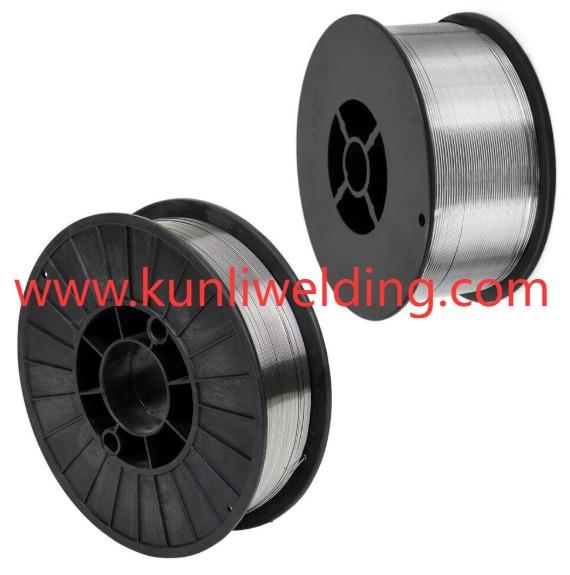
Welding consumable quality extends beyond chemical composition and mechanical properties to include surface characteristics that directly affect feeding reliability and arc stability during actual welding operations. Fabricators sometimes overlook surface finish as a critical quality indicator, focusing exclusively on alloy specifications while assuming all wire surfaces perform equivalently. Aluminum MIG Wire Manufacturers recognize that surface condition significantly influences welding performance, with manufacturing processes and quality controls determining whether wire surfaces support consistent feeding and clean arc behavior or create operational frustrations through poor finish characteristics.
Surface smoothness affects friction as wire travels through cable liners, contact tips, and drive roll assemblies during feeding operations. Rough surfaces with manufacturing defects or contamination generate higher friction that impedes smooth wire delivery, causing erratic feeding speeds and potential bird nesting in drive mechanisms. Premium wire exhibits uniform smooth surfaces that glide through delivery systems with minimal resistance, supporting consistent wire speed and reliable material delivery to the arc.
Manufacturing processes including drawing operations, heat treatment, and handling procedures all influence final surface condition. Wire drawn through worn or contaminated dies acquires surface scratches, embedded particles, or irregular textures that persist throughout product life. Quality oriented manufacturers maintain rigorous die maintenance schedules and cleanliness standards that minimize surface defects introduced during production operations.
Lubricant residue from drawing operations creates surface films affecting both feeding friction and weld pool contamination potential. Excessive lubrication leaves heavy residues that attract dirt and moisture while contributing to porosity when introduced into weld pools. Inadequate lubrication during manufacturing may cause surface roughness from increased friction during drawing. Proper lubricant selection and application followed by appropriate cleaning produces surfaces with beneficial residual films supporting feeding without causing weld contamination.
Oxidation layers naturally forming on aluminum surfaces vary in thickness and adhesion depending on atmospheric exposure time and storage conditions. Fresh wire with minimal oxidation exhibits relatively bright surfaces while aged material develops thicker, more adherent oxide films. These oxide layers affect arc starting ease and stability since arcs must penetrate through oxide barriers before fusing base aluminum. Manufacturers controlling production to delivery timelines and implementing proper packaging minimize oxidation development before customer use.
Surface coatings or treatments applied by some manufacturers enhance feeding characteristics or corrosion resistance during storage. Proprietary surface treatments may reduce friction, prevent oxidation, or provide lubricity supporting reliable feeding through extended cable assemblies. Understanding what surface treatments, if any, manufacturers apply helps fabricators evaluate whether specific wire products suit their equipment and application requirements.
Visual inspection provides preliminary surface quality assessment though cannot detect all relevant characteristics. Bright, uniform coloring suggests relatively clean surfaces with minimal oxidation or contamination. Dull, discolored, or streaked appearances indicate potential surface problems affecting welding performance. However, subtle surface texture variations affecting feeding may escape visual detection requiring physical testing for complete evaluation.
Tactile examination through gloved hands reveals surface roughness that visual inspection might miss. Running gloved fingers along wire lengths detects bumps, rough patches, or irregular textures suggesting manufacturing defects or contamination. This simple tactile testing provides quick quality screening before committing wire to production use.
Feeding trials through actual welding equipment represent definitive surface quality tests since real world performance directly reveals how surfaces affect delivery systems. Loading suspect wire and running extended feeding tests without welding exposes friction problems, catching tendencies, or erratic delivery indicating surface finish issues. Comparing feeding behavior between different wire sources under identical equipment conditions isolates surface quality as performance variable.
Arc characteristics during welding provide additional surface quality feedback since contaminated or heavily oxidized surfaces affect arc stability and spatter levels. Clean wire surfaces enable smooth arc starting and stable operation with minimal disturbance. Poor surfaces create erratic arcs with excessive spatter and difficult starting suggesting contamination or oxide problems affecting electrical contact and metal transfer.
Quality specifications from manufacturers should address surface finish criteria alongside chemical composition and mechanical properties. Detailed specifications describing acceptable surface conditions, allowable defect types, and measurement methods demonstrate manufacturer commitment to comprehensive quality control. Vague or absent surface finish specifications suggest inadequate attention to this performance critical characteristic.
Certification documentation may include surface quality verification through inspection reports or process control records. Manufacturers documenting surface inspection procedures and maintaining statistical process control over surface characteristics provide greater assurance of consistent quality across production lots.
Storage and handling practices after manufacturing significantly affect surface condition preservation until use. Wire stored in damaged packaging or humid environments develops surface degradation despite arriving from manufacturers in acceptable condition. Implementing proper storage protecting wire from moisture and contamination preserves initial surface quality throughout inventory periods.
Comparative testing between manufacturers reveals surface quality variations affecting feeding reliability and arc performance. Running identical welding trials with wire from different sources under controlled conditions quantifies surface finish impacts on operational performance. This empirical comparison informs supplier selection decisions weighing surface quality alongside pricing and other factors.
Return policies and quality guarantees reflect manufacturer confidence in surface finish consistency and willingness to address problems. Suppliers offering reasonable return provisions and responsive problem resolution demonstrate quality commitment while restrictive policies suggest reluctance to stand behind products.
Technical support availability from manufacturers assists with surface related troubleshooting and quality issue resolution. Suppliers employing knowledgeable technical personnel provide guidance distinguishing surface problems from equipment or technique issues. This support proves valuable when addressing feeding difficulties or arc instability where multiple factors potentially contribute to problems.
Long term supplier relationships enable pattern recognition regarding surface quality consistency across multiple purchases over extended periods. Tracking surface related issues by supplier reveals which manufacturers consistently deliver acceptable surfaces versus those presenting recurring problems requiring constant attention.
Industry reputation and peer feedback regarding surface quality supplement direct evaluation when selecting wire suppliers. Consulting other fabricators about their surface quality experiences with various manufacturers provides insights beyond what individual testing reveals. These informal references often identify supplier strengths and weaknesses regarding surface finish consistency. Organizations pursuing reliable aluminum MIG welding operations should evaluate wire surface finish as critical quality criterion alongside chemical composition and mechanical properties when selecting consumable suppliers. Surface characteristics directly affecting feeding reliability and arc stability warrant systematic assessment through visual inspection, tactile examination, and feeding trials on actual equipment. Fabricators seeking comprehensive information about wire surface specifications and quality standards can access detailed technical resources addressing manufacturing processes and surface finish criteria at https://www.kunliwelding.com/product/ . Establishing relationships with suppliers demonstrating consistent surface quality commitment through manufacturing controls and responsive technical support creates foundations for reliable welding operations minimizing feeding problems and quality variations affecting production efficiency and weld integrity.
