


Tallfly Solutions for Dogs Who Bite Walking Equipmen
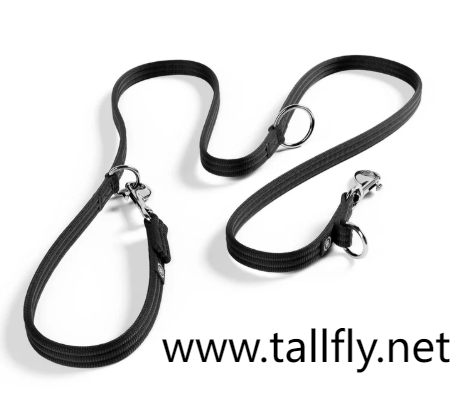
Walking should be an enjoyable experience for both you and your canine companion, but leash biting transforms peaceful outings into frustrating tug of war sessions. This behavior appears commonly in puppies experiencing teething discomfort and adult dogs expressing excitement, frustration, or boredom during walks. Finding effective solutions often begins with selecting appropriate equipment like an Opey Dog Leash designed to withstand chewing while you address the underlying behavioral causes through consistent training techniques.
Understanding why your dog targets the walking equipment helps determine which correction strategies will prove effective. Puppies mouth objects as they explore their world and seek relief from sore gums during tooth development. Adult dogs might grab and shake the lead when overstimulated by outdoor environments filled with enticing smells, sounds, and sights. Some dogs develop this habit from inadvertent reinforcement when owners engage in playful tugging, teaching the animal that biting creates an interactive game.
Redirecting attention before the behavior starts prevents the habit from taking root. Carry high value treats or a favorite toy during walks, offering these alternatives the moment your dog glances toward the lead with interest. Rewarding focus on you rather than the equipment reinforces appropriate walk behavior. Timing matters significantly; waiting until biting begins makes redirection less effective than interrupting the thought process before it manifests into action.
Teaching a solid "leave it" command provides a verbal tool for stopping unwanted behavior. Practice this instruction at home using treats or toys, gradually increasing difficulty until your dog reliably releases objects on command. Once mastered indoors, transfer the skill to outdoor settings where distractions run higher. Consistent practice builds the automatic response needed during walks when excitement peaks.
Exercise levels directly influence leash biting frequency. Dogs with excess energy often express pent up excitement through mouthing behaviors during walks. Increasing overall physical activity through longer or more frequent outings, play sessions, or mentally stimulating games reduces the nervous energy that drives inappropriate behaviors. A tired dog focuses on the walk itself rather than creating self entertainment through equipment destruction.
Bitter deterrent sprays applied to the Dog Leash make it less appealing as a chew target. These products contain safe but unpleasant tasting compounds that discourage mouthing without causing harm. Regular reapplication maintains effectiveness, especially after rainy walks that wash away the coating. Some dogs show particular determination and require multiple applications before associating the unpleasant taste with the object.
Walking pace influences biting likelihood in some dogs. Slower, meandering walks allow time for mischief while brisk, purposeful movement keeps dogs mentally engaged with navigation and pace maintenance. Varying your route introduces novel stimuli that capture attention, reducing boredom that might otherwise manifest as equipment targeting.
Body language observation helps identify triggers that precede biting episodes. Does your dog grab the lead when encountering other dogs, squirrels, or certain locations? Recognizing patterns allows you to prepare appropriate responses before situations escalate. Anticipating trigger moments enables proactive redirection rather than reactive correction.
Avoid yanking or tugging back when your dog bites the lead, as this creates the opposition reflex that makes dogs pull harder against resistance. Instead, stop walking completely and stand still. Most dogs release the equipment when forward movement ceases and they realize the behavior prevents reaching their destination. Resume walking only after release occurs, teaching that biting results in loss of forward progress.
Consistency across all family members ensures clear communication about acceptable behavior. If some household members tolerate or play tug with the lead while others correct the behavior, your dog receives mixed messages that delay habit elimination. United, consistent responses from everyone accelerate learning. Patience proves essential throughout the training process. Behavioral changes require time and repetition before becoming permanent. Celebrating small improvements rather than expecting immediate transformation maintains realistic expectations and reduces frustration. For durable walking equipment designed to withstand active dogs during training periods, visit https://www.tallfly.net/ to review options suited to various canine personalities and training stages.
