


The Algorithmic Architect: How AI is Breathing Life into Smart Buildings
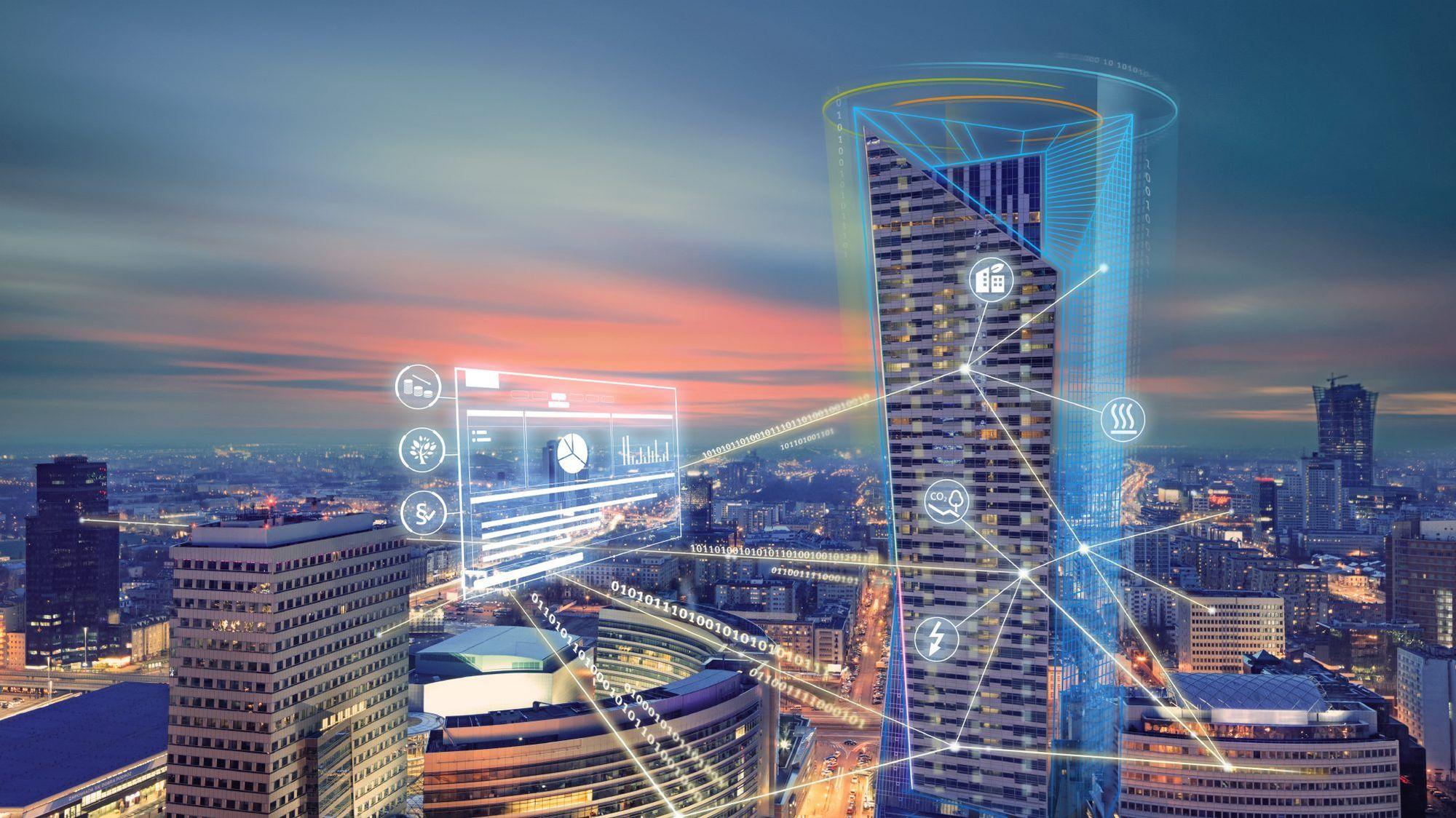
Gone are the days when a "smart building" simply meant automated lighting. Today's structures are evolving into sentient, responsive environments that actively manage their own health, optimize their energy consumption, and anticipate the needs of their occupants. This transformation is powered by a fusion of Internet of Things (IoT) sensors, building management systems, and, most crucially, artificial intelligence, turning static concrete and steel into dynamic, efficient, and adaptive ecosystems.
According to Straits Research, the global smart building sector was valued at USD 93.12 billion in 2024 and is projected to reach from USD 101.25 billion in 2025 to USD 197.79 billion by 2033, growing at a CAGR of 8.73% during the forecast period (2025-2033). This sustained growth is a direct reflection of the increasing demand for operational efficiency, sustainability, and enhanced human experience in the built environment.
Key Players and Geographic Innovations
The field is a competitive arena where industrial giants, technology titans, and specialized software firms converge.
-
North America: A hub for innovation, particularly in enterprise software and cloud platforms. Honeywell (USA) continues to expand its Forge platform, using AI to provide predictive maintenance for HVAC systems and holistic building performance data. Johnson Controls (USA) is leveraging its OpenBlue digital suite to create connected, autonomous buildings that prioritize energy savings and occupant health. Tech behemoths like Cisco (USA) provide the critical networking backbone that connects millions of IoT devices securely.
-
Europe: Driven by stringent EU energy efficiency directives, European players are leaders in sustainability and integration. Siemens (Germany) offers its Desigo CC platform, which uses digital twin technology to create virtual building models for simulation and optimization. Schneider Electric (France) focuses on integrated power management and IoT-enabled architecture through its EcoStruxure platform, widely adopted in commercial and industrial smart buildings across the continent.
-
Asia-Pacific: The region is experiencing explosive growth due to rapid urbanization and new construction. Hitachi (Japan) is applying its expertise in operational technology to smart building solutions, particularly in transportation hubs and large-scale commercial complexes. Chinese firms like Alibaba and Huawei are integrating their cloud and IoT technologies into new building developments, often focusing on smart cities as a holistic concept.
Analysis: Drivers of Growth and Emerging Trends
The 8.73% CAGR is fueled by powerful economic and environmental incentives. Soaring energy costs make efficiency upgrades a financial imperative, not just an ecological one. Furthermore, the post-pandemic focus on occupant health and air quality has accelerated the adoption of smart HVAC and air filtration systems. The rise of hybrid work models has also created a need for smarter office space utilization.
Key trends redefining smart buildings include:
-
AI and Predictive Analytics: The shift from reactive to proactive management. AI algorithms now analyze data from countless sensors to predict equipment failures before they happen, optimize energy usage in real-time based on weather and occupancy forecasts, and dynamically adjust environments floor-by-floor.
-
Digital Twin Technology: Creating a real-time virtual replica of a building allows facility managers to simulate scenarios, test operational changes, and optimize performance without disrupting the physical space, drastically improving decision-making.
-
Occupant-Centric Automation: The focus is shifting from pure efficiency to enhancing human experience. Systems now personalize lighting and temperature for individual preferences, use wayfinding apps to guide occupants, and provide data on room availability and crowd density.
Recent News and Developments
The industry is advancing through strategic partnerships and technological breakthroughs. Recently, Johnson Controls announced a major project to retrofit a historic landmark in New York City with its OpenBlue technology, aiming to reduce the building's carbon footprint by 40%. In a significant partnership, Microsoft and Johnson Controls deepened their collaboration to co-innovate on AI-driven building solutions hosted on Azure. Meanwhile, Siemens launched a new suite of grid-interactive technologies that allow buildings to interact with the smart power grid, selling excess energy back during peak demand.
Summary
Smart buildings are transitioning from isolated automated systems to intelligent, interconnected nodes in a larger urban ecosystem. Driven by AI and the dual needs of sustainability and occupant well-being, they are becoming living entities that learn, adapt, and optimize themselves, representing the future of how we will work, live, and interact with our environment.
